Acne is influenced by several factors, including hormones, genetics, inflammation, and the skin’s response to excess sebum. But what about the supplements we take every day?
From whey protein to vitamin B12, certain supplements have been associated with acne breakouts, while others are being investigated for their potential anti-inflammatory benefits.
Not every supplement causes acne, and not every supplement marketed for healthy skin actually improves it.
Understanding the evidence can help you make informed choices without unnecessarily stopping products you need.
Whey protein: Could your gym supplement trigger breakouts?

Whey protein is widely used by athletes and gym enthusiasts to support muscle growth and recovery. However, some people notice worsening acne after introducing it into their routine.
Whey is derived from milk, and a possible mechanism involves insulin-like growth factor 1 (IGF-1) and related signaling pathways that influence sebum production and follicular keratinization.
What does the research say?
A 2024 case-control study in young men found that whey protein use was more common among participants with acne than controls. However, this type of study cannot establish that whey caused the acne.
A separate 2024 randomized controlled trial involving 49 young men with mild-to-moderate acne did not find significantly worse acne outcomes with whey protein compared with a non-whey supplement. The study was small, so it cannot rule out an effect in susceptible individuals.
Practical advice
If your acne started or worsened after beginning whey protein, consider discussing a supervised trial of stopping it and using a suitable alternative protein source. Track your acne over time rather than assuming whey is always the cause.
Vitamin B12: When more is not necessarily better
Vitamin B12 is essential for normal nerve function and red blood cell production. However, acne-like eruptions have been reported in some people taking vitamin B12 supplements, particularly in association with high doses.
These eruptions may appear as relatively uniform inflammatory papules and pustules rather than the usual mixture of comedones and inflammatory lesions seen in acne vulgaris.
The precise mechanism is not fully understood, and the evidence is largely based on case reports and reviews rather than large controlled trials.
Practical advice
- Avoid unnecessary high-dose B12 supplementation.
- If you have a documented deficiency, continue appropriate treatment under medical supervision.
- If a new acne-like eruption develops after starting B12, review the dose, indication, and timing with your clinician.
The goal is not to avoid B12 altogether; it is to use it when needed and at an appropriate dose.
Zinc: Potentially useful, but not a guaranteed acne treatment

Zinc plays a role in immune function, wound healing, and normal skin physiology. Its anti-inflammatory properties have made it a subject of research in acne treatment.
Some clinical studies suggest that oral zinc may improve inflammatory acne in certain patients. However, the evidence remains limited, and the 2024 American Academy of Dermatology acne guidelines concluded that there was insufficient evidence to recommend oral or topical zinc as a standard acne treatment.
Zinc may be considered in selected cases after assessing dietary intake, potential deficiency, and other treatment options.
Practical advice
Avoid prolonged high-dose supplementation because excess zinc can cause gastrointestinal side effects and copper deficiency.
Omega-3 fatty acids: An interesting anti-inflammatory option
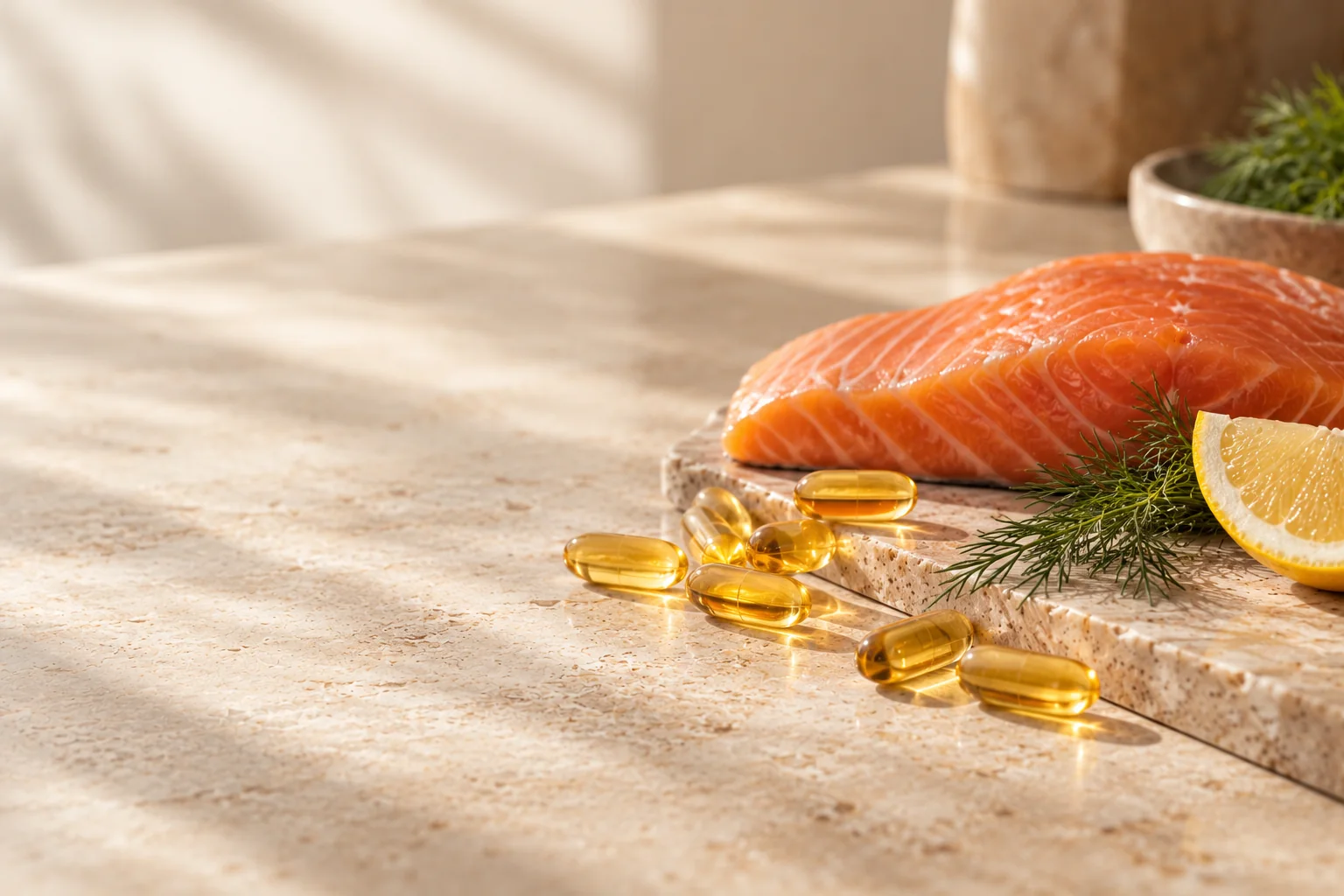
Omega-3 fatty acids, found in oily fish and certain supplements, are known for their roles in inflammatory pathways.
A systematic review published in JAMA Dermatology in 2023 found that some studies of omega-3 supplementation suggested improvements in acne outcomes. However, the studies varied in quality, and larger clinical trials are needed. The AAD’s 2024 acne guidelines also found insufficient evidence to recommend omega-3 supplements as a standard acne treatment.
Practical advice
A balanced diet that includes omega-3-rich foods is reasonable for general health. Supplements should not replace established acne treatment, and their benefits for acne remain uncertain.
This article is general information, not medical advice. It does not replace a consultation, and any change to your treatment or supplements should be discussed with your doctor.